823 10 AVE SW Calgary Alberta T2R 0B4


How to Fix Chipped, Cracked, or Gapped Teeth with Cosmetic Dentistry

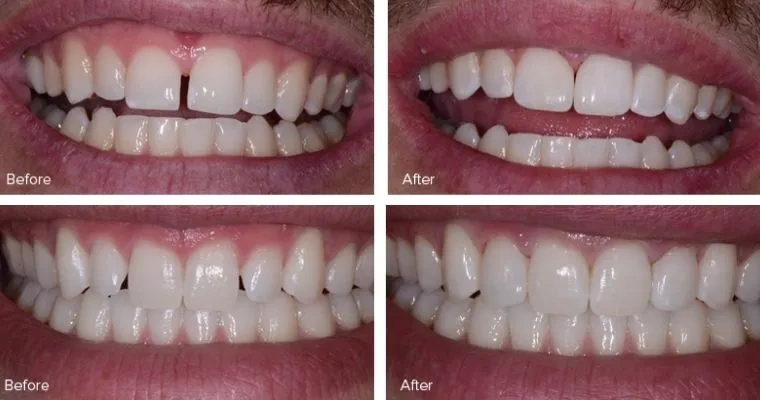
A healthy smile is one of the first things people notice about you. And it’s often called your best accessory. But what if your smile isn’t exactly how you’d like it to be? Chips, cracks, or gaps in teeth are common, and while they don’t always cause pain, they can affect your confidence.
At Rō Dental Studio in Calgary, we see patients every day who want to restore or improve their smiles. However, we’ll always have good news for you. Modern cosmetic dentistry offers safe, effective, and surprisingly quick solutions to fix these concerns.
Let’s take a closer look at the most common problems, like chipped, cracked, and gapped teeth, and the treatments that can help.
Why Do Teeth Chip, Crack, or Develop Gaps?
Before diving into the solutions, it’s helpful to understand the causes.
- Chipped teeth often result from biting down on something hard (like ice or popcorn kernels), accidents, or even teeth grinding.
- Cracked teeth can come from injuries, chewing on tough foods, or gradual wear and tear over time.
- Gaps between teeth (called diastemas) can be genetic, caused by thumb-sucking as a child, or the result of shifting teeth as adults.
No matter the reason, these issues can affect more than just your smile’s appearance. Cracks can sometimes lead to sensitivity or further damage, while gaps can impact your bite and oral health.
Cosmetic Dentistry Solutions
Cosmetic dentistry combines art and science to improve the look of your teeth while often boosting function at the same time. Here are the most common treatments we offer at Rō Dental Studio to fix chipped, cracked, or gapped teeth.
1. Dental Bonding
If you’re looking for a quick and affordable fix, dental bonding may be the perfect option. Bonding involves applying a tooth-coloured resin material to the affected tooth, then shaping and polishing it to blend seamlessly with the rest of your smile.
Best for: Small chips, minor cracks, or small gaps.
Benefits:
- Usually completed in a single visit.
- Minimal drilling or prep work required.
- Looks natural and smooth.
- Cost-effective compared to other treatments.
Limitations: Bonding isn’t as durable as other options like veneers or crowns, so it may need to be touched up or replaced after several years.
2. Porcelain Veneers
Porcelain veneers are thin, custom-made shells that cover the front surface of your teeth. Think of them as a makeover for your smile. Veneers are ideal for patients who want to fix not just chips or cracks, but also uneven shapes, discolouration, or multiple gaps.
Best for: Moderate chips, cracks, uneven edges, or noticeable gaps.
Benefits:
- Long-lasting (10–15 years with proper care).
- Highly stain-resistant.
- Creates a uniform, bright smile.
- Custom designed to fit your face and style.
Limitations: Veneers are a bigger investment and require some reshaping of your natural teeth to make room for the shells.
3. Dental Crowns
When a tooth is more severely cracked or weakened, a dental crown (sometimes called a “cap”) might be recommended. A crown completely covers the damaged tooth, restoring both its function and appearance.
Best for: Large cracks, heavily chipped teeth, or teeth that are weakened and at risk of breaking further.
Benefits:
- Provides strength and protection.
- Natural look with modern porcelain or ceramic options.
- Durable—lasts many years with good care.
Limitations: Requires more preparation than bonding or veneers, and the process usually takes two visits (though same-day crown technology is becoming more common).
Related Articles